Published on 30 Jun 2023 – 3 min read read نُشر بتاريخ 30 Jun 2023 – مدة القراءة: 3 دقائق.
In crisis or conflict situations, medical evacuation is crucial for saving lives and providing timely care. Two distinct procedures, CASEVAC (Casualty Evacuation) and MEDEVAC (Medical Evacuation) are employed during these emergencies.
Often, the terms CASEVAC and MEDEVAC are used interchangeably, but understanding the differences between these terms is crucial for effective communication and coordination during emergencies.
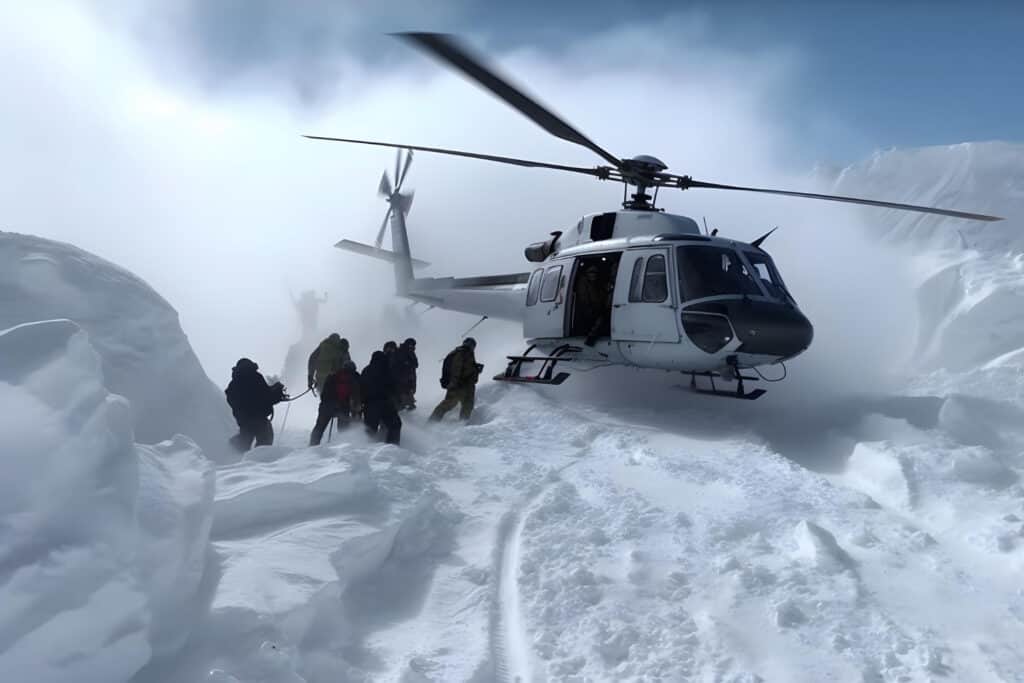
CASEVAC, as the name suggests, refers to the evacuation of casualties, both civilians and military personnel, from battlegrounds or combat zones to medical facilities or trauma centers where they can receive the necessary care. As CASEVAC missions primarily take place in combat zones or battlefields, the aircraft used may be armed military aircraft and requires coordination with military units and security forces to ensure the safety of patients and medical personnel. The primary goal is to transport the injured individuals as quickly as possible to a location where they can receive medical attention. CASEVAC missions are typically conducted by air, employing general-purpose aircraft that may not have dedicated medical equipment on board. The emphasis is on rapid transportation, and the patient may or may not receive medical care during the evacuation and is often conducted by the closest available unit to the injured individual due to the urgency of the situation. CASEVAC flights generally cover short distances, making helicopters the preferred mode of transport due to their ability to land or hover in various terrains, providing flexibility in patient pick-up.
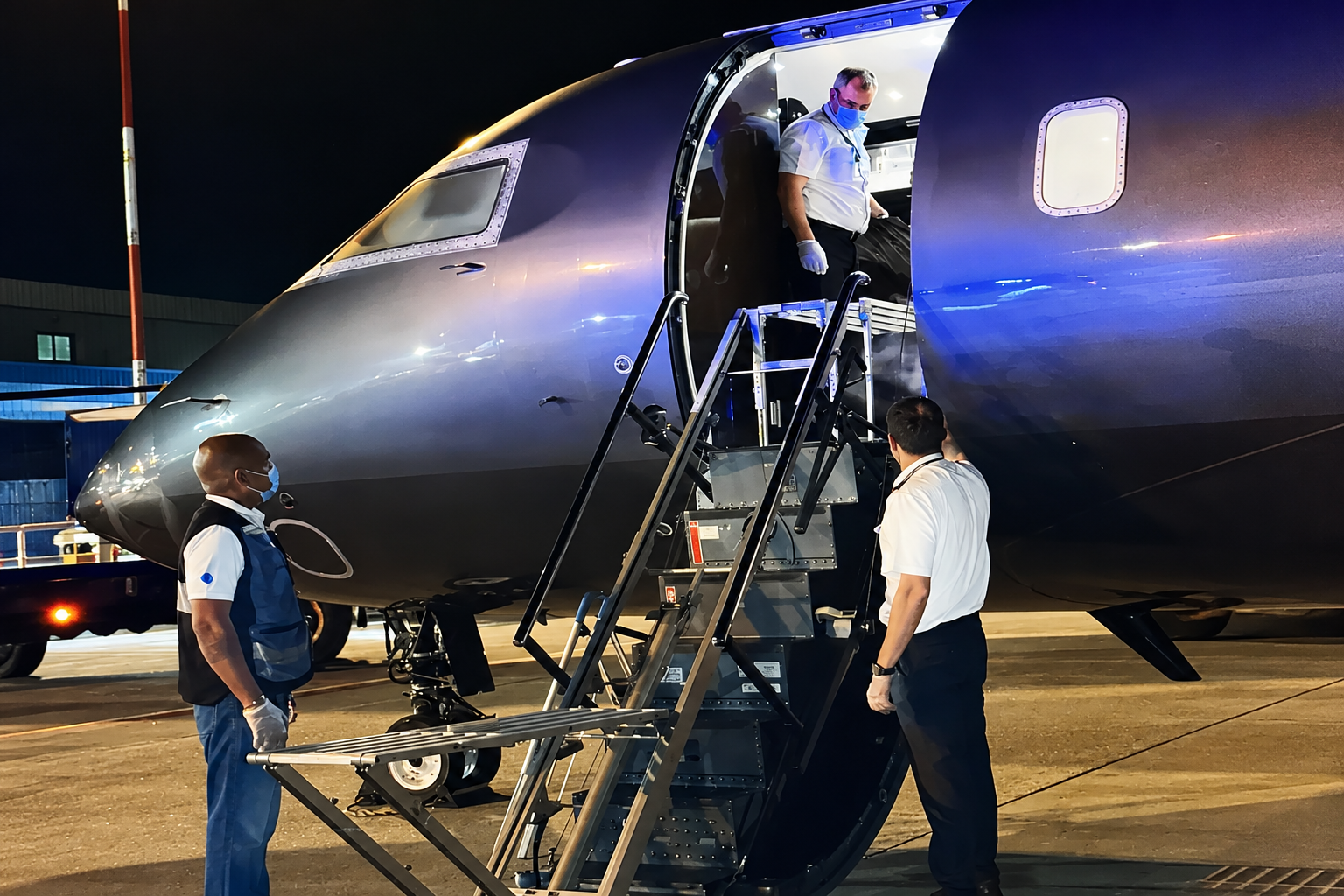
On the other hand, MEDEVAC, short for Medical Evacuation, involves a more organized and planned process. It focuses on transporting patients from the accident scene or another medical facility to a specialized medical facility for further medical care. MEDEVAC missions involve careful planning and coordination to dispatch trained medical personnel to the scene or facility where the patient is located. Purpose-built patient transport vehicles are used, both on the ground and in the air. Unlike CASEVAC, MEDEVAC vehicles and aircraft are equipped with medical equipment and staffed with trained medical professionals to provide en-route care. MEDEVAC air ambulance can involve helicopters, fixed-wing aircraft, or ground ambulances, depending on the circumstances and urgency. MEDEVAC flights can range from medium to long distances, and both helicopters and airplanes can be used to transport patients. The patient being transported during a MEDEVAC mission has often already received some medical attention and is not in immediate life-threatening condition.
CASEVAC operations are not explicitly covered by the Geneva Conventions, leaving their legal protection and specific guidelines undefined. While some level of protection is extended to medical personnel involved in CASEVAC, attacks on CASEVAC vehicles or aircraft may not necessarily be considered war crimes unless they violate broader provisions of the Conventions.
In contrast, MEDEVAC operations are explicitly protected and governed by the Third and Fourth Geneva Conventions. These Conventions outline the rights and protections for the wounded, sick, and medical personnel. MEDEVAC vehicles and aircraft must be clearly marked as non-combat and are not to be targeted by opposing forces.
Medical personnel involved in MEDEVAC operations enjoy explicit protection, including immunity from attack and the freedom to provide medical care without interference. Targeting or engaging clearly marked MEDEVAC vehicles or aircraft is considered a serious violation of the Geneva Conventions and is classified as a war crime.
In sum, while both CASEVAC and MEDEVAC involve transporting injured individuals, they differ in terms of legal protection, clear identification, and provisions for medical personnel. MEDEVAC operations benefit from greater legal safeguards and immunity from attack, ensuring the safety and security of patients and medical personnel involved in the evacuation process. Understanding these distinctions is vital for effective decision-making and coordination during emergencies, ensuring appropriate care for patients during evacuation.
If you have more questions about air medical evacuation procedures, costs, and planning, feel free to write to us at: mail@bluedotassist.com or call/ WhatsApp chat with us at our 24x7 support number +971 551881441
في حالات الأزمات أو النزاعات، يُعد الإخلاء الطبي أمراً حاسماً لإنقاذ الأرواح وتقديم الرعاية في الوقت المناسب. ويتم استخدام إجراءين متميزين خلال هذه الطوارئ، هما: "إخلاء المصابين" و"الإخلاء الطبي".
وغالباً ما يُستخدم المصطلحان بشكل متبادل، ولكن فهم الفروق الدقيقة بينهما أمر بالغ الأهمية لضمان التواصل والتنسيق الفعال أثناء حالات الطوارئ.
يشير مصطلح "إخلاء المصابين" إلى نقل الجرحى والمصابين، من المدنيين والعسكريين على حد سواء، من ساحات القتال أو مناطق العمليات العسكرية إلى المرافق الطبية أو مراكز علاج الصدمات حيث يمكنهم تلقي الرعاية اللازمة. ونظراً لأن مهام إخلاء المصابين تجري في المقام الأول في مناطق القتال أو المعارك، فإن المركبات الجوية المستخدمة قد تكون طائرات عسكرية مسلحة، ويتطلب الأمر تنسيقاً وثيقاً مع الوحدات العسكرية وقوات الأمن لضمان سلامة المرضى والكوادر الطبية. ويتمثل الهدف الأساسي هنا في نقل الأفراد المصابين بأسرع ما يمكن إلى موقع يمكنهم فيه الحصول على العناية الطبية. وعادةً ما تُجرى مهام إخلاء المصابين جواً، باستخدام طائرات الأغراض العامة التي قد لا تحتوي على معدات طبية متخصصة على متنها. وينصب التركيز الأساسي في هذا الإجراء على النقل السريع، وقد يتلقى المريض الرعاية الطبية أثناء الإخلاء أو لا يتلقاها، وغالباً ما تقوم بالعملية أقرب وحدة متاحة للشخص المصاب نظراً لضرورة الموقف الملحة. وتغطي رحلات إخلاء المصابين عموماً مسافات قصيرة، مما يجعل المروحيات وسيلة النقل المفضلة نظراً لقدرتها على الهبوط أو التحليق الثابت في مختلف التضاريس، مما يوفر مرونة كبيرة في انتشال المرضى.
في المقابل، ينطوي "الإخلاء الطبي" على عملية أكثر تنظيماً وتخطيطاً. حيث يركز على نقل المرضى من موقع الحادث أو من منشأة طبية أخرى إلى منشأة طبية متخصصة لتلقي المزيد من الرعاية الطبية المتقدمة. وتتضمن مهام الإخلاء الطبي تخطيطاً وتنسيقاً دقيقين لإرسال كوادر طبية مدربة إلى الموقع أو المنشأة التي يتواجد فيها المريض. وتُستخدم في هذه الحالة مركبات نقل مرضى مصممة خصيصاً لهذا الغرض، سواء على الأرض أو في الجو. وبخلاف إخلاء المصابين، فإن مركبات وطائرات الإخلاء الطبي تكون مجهزة بالكامل بالمعدات الطبية ومأهولة بمهنيين طبيين مدربين لتقديم الرعاية الطبية اللازمة أثناء الرحلة. ويمكن أن يشمل الإخلاء الطبي المروحيات، أو الطائرات ذات الأجنحة الثابتة، أو سيارات الإسعاف الأرضية، اعتماداً على الظروف ومدى إلحاح الحالة. وتتراوح رحلات الإخلاء الطبي بين المسافات المتوسطة والطويلة، ويمكن استخدام كل من المروحيات والطائرات النفاثة لنقل المرضى. وغالباً ما يكون المريض الذي يتم نقله خلال مهمة الإخلاء الطبي قد تلقى بالفعل بعض العناية الطبية ولا يواجه حالة خطيرة تهدد حياته بشكل مباشر وفوري.
ومن الناحية القانونية، لا تغطي اتفاقيات جنيف عمليات "إخلاء المصابين" بشكل صريح، مما يترك حمايتها القانونية وتوجيهاتها الخاصة غير محددة بدقة. وعلى الرغم من تمديد مستوى معين من الحماية للكوادر الطبية المشاركة في إخلاء المصابين، فإن الهجمات على مركبات أو طائرات إخلاء المصابين قد لا تُعتبر بالضرورة جرائم حرب ما لم تنتهك الأحكام العامة والأوسع للاتفاقيات.
وفي المقابل، تحظى عمليات "الإخلاء الطبي" بحماية صريحة وتخضع لأحكام اتفاقيتي جنيف الثالثة والرابعة. وتحدد هذه الاتفاقيات الحقوق والضمانات الحمائية للجرحى، والمرضى، والكوادر الطبية. ويجب تمييز مركبات وطائرات الإخلاء الطبي بوضوح كمركبات غير قتالية، ويُحظر استهدافها من قِبل القوات المعادية.
وتتمتع الكوادر الطبية المشاركة في عمليات الإخلاء الطبي بحماية صريحة، بما في ذلك الحصانة من الهجمات وحرية تقديم الرعاية الطبية دون تدخل أو مضايقة. ويُعد استهداف أو مهاجمة مركبات أو طائرات الإخلاء الطبي التي تحمل شعارات مميزة واضحة انتهاكاً جسيماً لاتفاقيات جنيف ويُصنف كجريمة حرب.
وخلاصة القول، على الرغم من أن كلا الإجراءين ينطويان على نقل الأفراد المصابين، إلا أنهما يختلفان من حيث الحماية القانونية، والتمييز الواضح، والأحكام الخاصة بالكوادر الطبية. وتستفيد عمليات الإخلاء الطبي من ضمانات قانونية أكبر وحصانة من الهجمات، مما يضمن سلامة وأمن المرضى والكوادر الطبية المشاركة في عملية الإخلاء. وإن فهم هذه الفروق أمر حيوي لاتخاذ القرارات الفعالة والتنسيق السليم أثناء حالات الطوارئ، بما يضمن تقديم الرعاية المناسبة للمرضى أثناء عملية النقل.
إذا كانت لديك المزيد من الاستفسارات حول إجراءات الإخلاء الطبي الجوي، والتكاليف، والتخطيط، فلا تتردد في مراسلتنا عبر البريد الإلكتروني التالي:
ميل عند بلودوت أسست نقطة كوم
أو الاتصال بنا / المراسلة عبر تطبيق الواتساب على رقم الدعم المتاح على مدار الساعة طوال أيام الأسبوع:
+971 551881441