Published on 04 Feb 2026 – 5 min read نُشر بتاريخ 04 Feb 2026 – قراءة لمدة 5 دقائق
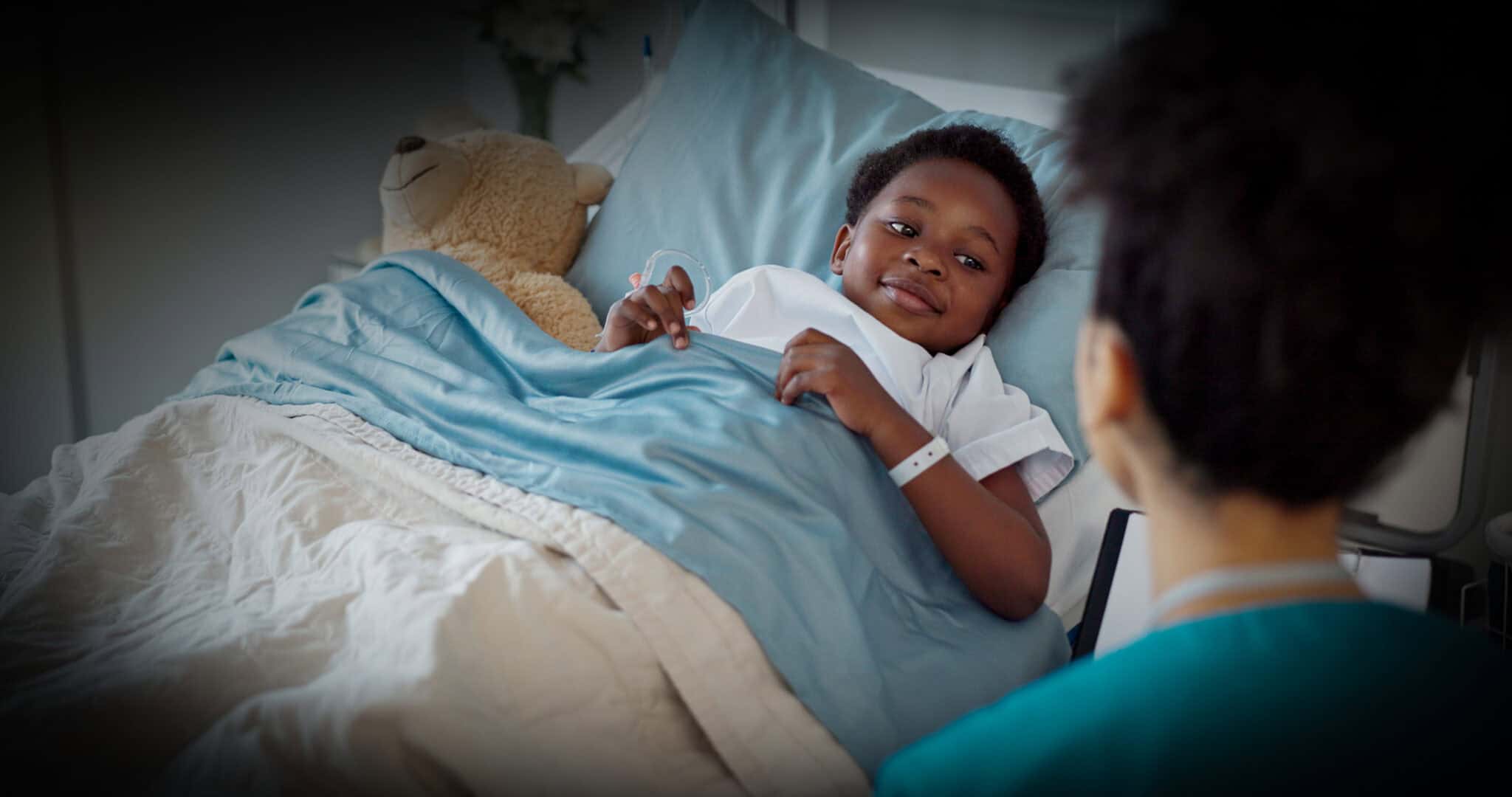
In healthcare, harm doesn’t usually come from a lack of effort. It comes from gaps – in planning, in communication, in systems that weren’t designed for pressure.
Reducing those gaps has been a global priority for years. The World Health Organization has defined 2021–2030 as a Decade of Patient Safety, calling for healthcare organizations to reduce avoidable harm by making safety part of how care is planned, delivered, and reviewed.
In air ambulance transfers, where care unfolds across hospitals, aircraft, and borders, that systems-based view of safety is essential. It’s how we approach every mission at Bluedot.
When people think about air ambulances, they usually picture speed. An aircraft racing against the clock to save a life. It’s a powerful image, and in some ways, it’s true.
But here’s what most people don’t see: speed only matters if the patient arrives safely. And safety in air ambulance transfers depends far more on what happens before the flight than how fast the plane moves.
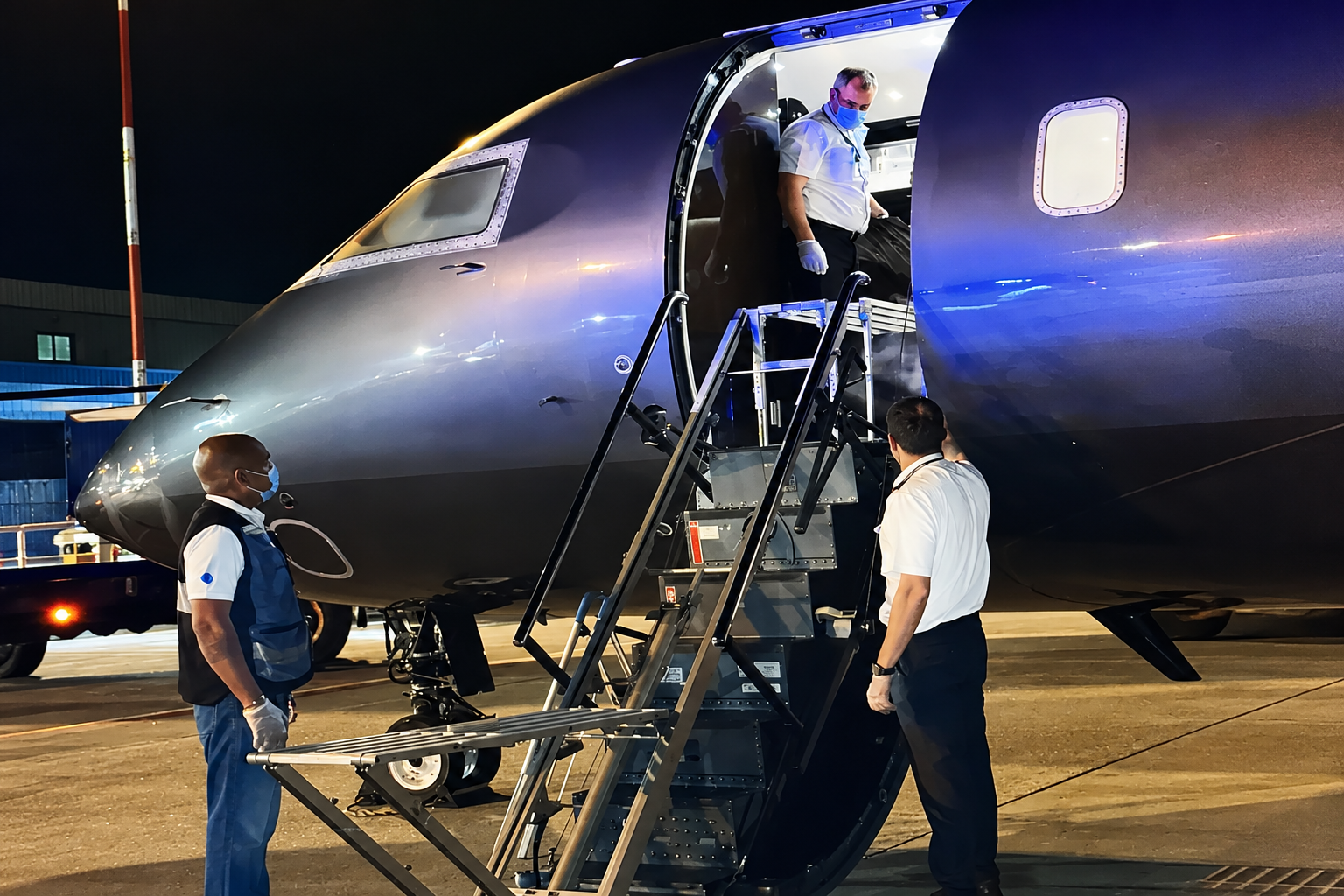
Every air ambulance mission is a high-stakes medical operation. The work that keeps patients safe begins long before the aircraft leaves the ground.
Deciding who’s ready to fly
Not every critically ill patient is ready for air transfer, even when time feels urgent.
Before any flight, the medical team needs to understand the full picture: What’s the patient’s current condition? How stable are they? What could go wrong during the flight?
This means reviewing medical records, talking directly with the doctors and nurses treating the patient, and often visiting the patient in person to assess them firsthand.
Flying introduces unique challenges to the human body. Cabin pressure drops. Oxygen levels change. There’s vibration, noise, and limited space. For a patient who’s already unstable, these factors can make things worse quickly.
So sometimes, the right decision is to wait. To stabilize the patient more before moving them. It’s not always what families want to hear, but it’s the responsible choice. Patient safety comes before operational pressure.
Where the real work happens
The day of the flight might look like the main event, but the real work happens in the planning phase.
This is where the team figures out: Which aircraft is right for this patient? What medical equipment needs to be on board? Who should be part of the medical crew?
Then there’s the logistics. Ground ambulances need to be coordinated. Airports need to be notified. International clearances and landing permits need to be arranged. The receiving hospital needs to be ready.
And the equipment? Everything from ventilators to oxygen systems must be aviation-certified and tested. Backups are mandatory. If something fails mid-flight, there’s no pulling over to fix it.
This kind of detailed planning doesn’t make headlines. But it’s what saves lives.
Good people make good systems work
You can have the best equipment and protocols in the world, but if the people aren’t prepared, it won’t matter.
Air ambulance crews need to know critical care medicine and aviation medicine. They need to stay calm under pressure. They need to work together seamlessly in tight spaces where there’s no room for miscommunication.
Bluedot invests in ongoing training, simulation exercises, and clear protocols. Teams rehearse what to do when things go wrong. They use checklists and structured briefings, the same way airlines do.
It’s about creating a culture where everyone knows their role, communicates clearly, and follows the process even when it’s stressful.
Staying ahead during the flight
Once the patient is on board, the medical team isn’t just watching the monitors. They’re anticipating what could happen next.
Altitude changes how the body works. The team watches closely and adjusts medications, ventilator settings, and fluid management based on what they’re seeing and what they know is coming.
Every handoff is a risk point: moving the patient from the ICU to the ambulance, from the ambulance to the aircraft, from the aircraft to the receiving hospital. Each one has to be controlled and smooth.
One mistake at any of these points can undo everything that came before it.
The job isn’t done when the plane lands
When the aircraft touches down, there’s still critical work to do.
The receiving hospital needs a full handover. They need to know exactly what happened during the flight: what medications were given, what the patient’s vitals were, what complications arose.
Without this step, information gets lost. Gaps form. And those gaps can put the patient at risk all over again.
A safe transfer means the receiving team can continue care immediately, with full context and no surprises.
What to ask before choosing an air ambulance provider
If you’re ever in the position of choosing an air ambulance provider, it’s natural to want the fastest response. But speed is only part of the equation.
Here are better questions to ask:
How do you decide if a patient is stable enough to fly?
What happens if something goes wrong during the flight?
How are your medical crews trained?
What kind of backup systems do you have for equipment?
How do you hand over care to the receiving hospital?
A good provider won’t be defensive about these questions. They’ll be glad you’re asking. At Bluedot, these conversations are part of every transfer, because informed decision-makers make better choices, and better choices lead to safer outcomes.
The bigger picture on safety
According to the World Health Organization, around 1 in 10 patients is harmed during healthcare. More than 3 million deaths occur each year due to unsafe care. Over half of that harm could have been prevented.
In air ambulance services, where conditions are inherently high-risk, there’s no room for shortcuts.
Bluedot has a 100% transfer success rate that comes from strictly following, even exceeding, world-class safety procedures and protocols. Our approach to preventing harm is built on aviation-grade safety systems, including structured risk assessment, incident reporting, and continuous review processes.
Every mission is a chance to learn and improve. The organizations that take this seriously are the ones that consistently deliver safe outcomes.
في قطاع الرعاية الصحية، لا يأتي الضرر عادةً من نقص الجهود المبذولة. بل ينبع من وجود فجوات وثغرات؛ سواء في التخطيط، أو في التواصل، أو في الأنظمة التي لم يتم تصميمها وتجهيزها أساساً للتعامل مع الضغوط.
وقد شكل تقليص هذه الفجوات أولوية عالمية لسنوات طويلة. حيث حددت منظمة الصحة العالمية المدة من عام ألفين وواحد وعشرين إلى عام ألفين وثلاثين بصفتها "عقد سلامة المرضى"، داعيةً المنظمات الصحية إلى الحد من الأضرار التي يمكن تجنبها من خلال جعل السلامة جزءاً أصيلاً من كيفية تخطيط الرعاية، وتقديمها، ومراجعتها.
وفي عمليات نقل الحالات عبر الإسعاف الجوي، حيث تتدفق الرعاية وتتنقل بين المستشفيات، والطائرات، والحدود الدولية، يصبح هذا المنظور القائم على الأنظمة لضمان السلامة أمراً حتمياً لا غنى عنه. وهذا هو النهج الدقيق الذي نتبعه في كل مهمة نقوم بها في شركة بلودوت.
وعندما يفكر الناس في الإسعاف الجوي، فإن أول ما يتبادر إلى أذهانهم عادةً هو عامل السرعة. طائرة تسابق الزمن لإنقاذ حياة إنسان. إنها صورة تعبيرية قوية، وهي صحيحة في بعض جوانبها.
ولكن هناك جانب خفي لا يراه معظم الناس: فالسرعة لا تكتسب أهمية إلا إذا وصل المريض بأمان تام. وتعتمد السلامة في عمليات نقل الإسعاف الجوي على ما يحدث قبل الإقلاع والرحلة الجوية بدرجة أكبر بكثير من سرعة تحرك الطائرة في الأجواء.
إن كل مهمة إسعاف جوي هي عملية طبية عالية المخاطر. والعمل الفعلي الذي يحافظ على سلامة المرضى يبدأ قبل وقت طويل من مغادرة الطائرة لسطح الأرض.
تحديد أهلية المريض وملاءمته للطيران
ليس كل مريض يعاني من حالة حرجة يكون مؤهلاً وجاهزاً للنقل الجوي الفوري، حتى عندما يبدو عامل الوقت ملحاً وضاغطاً.
وقبل أي رحلة طيران، يحتاج الفريق الطبي إلى استيعاب الصورة الكاملة للحالة: ما هو الوضع الصحي الحالي للمريض؟ ما مدى استقراره؟ وما هي التعقيدات والمشاكل التي يمكن أن تحدث أثناء الطيران؟
ويعني هذا مراجعة السجلات والتقارير الطبية بدقة، والتحدث مباشرة مع الأطباء والممرضين المعالجين للمريض، وفي كثير من الأحيان زيارة المريض شخصياً لتقييم حالته ومعاينتها بشكل مباشر.
إن الطيران يفرض تحديات فريدة على جسم الإنسان؛ حيث ينخفض الضغط داخل المقصورة، وتتغير مستويات الأكسجين، إلى جانب وجود الاهتزازات، والضوضاء، وضيق المساحة. وبالنسبة للمريض الذي تعاني حالته بالفعل من عدم الاستقرار، فإن هذه العوامل يمكن أن تؤدي إلى تفاقم وضعه الصحي بسرعة.
لذلك، يكون القرار الصحيح في بعض الأحيان هو الانتظار؛ وذلك لتحقيق المزيد من الاستقرار الطبي للمريض قبل البدء في تحريكه. قد لا يكون هذا القرار هو ما ترغب العائلات في سماعه دائماً، ولكنه الخيار المسؤول والواعي. فسلامة المريض تأتي دائماً وتتقدم على أي ضغوط تشغيلية.
أين يكمن العمل الحقيقي؟
قد يبدو يوم الرحلة الجوية للعيان وكأنه الحدث الرئيسي، ولكن العمل الحقيقي والجهد الأكبر يحدث في مرحلة التخطيط المسبق.
وفي هذه المرحلة تحديداً، يقوم الفريق ببحث وتحديد: ما هي الطائرة المناسبة تماماً لحالة هذا المريض؟ ما هي المعدات والأجهزة الطبية التي يجب توفيرها على متن الرحلة؟ ومن هم الكوادر الطبية الذين يجب أن يضمهم طاقم الرحلة؟
ثم تأتي بعد ذلك الترتيبات اللوجستية المعقدة؛ حيث يجب تنسيق سيارات الإسعاف البري، وإخطار المطارات المعنية، وترتيب التصاريح الدولية وأذونات الهبوط العابرة للحدود، والتأكد من جاهزية المستشفى المستقبِل تماماً.
وماذا عن المعدات والأجهزة؟ يجب أن يكون كل شيء – بدءاً من أجهزة التنفس الاصطناعي وحتى أنظمة الأكسجين – معتمداً ومصرحاً للعمل في قطاع الطيران ومفحوصاً بدقة. كما تُعد الأنظمة الاحتياطية أمراً إلزامياً لا نقاش فيه؛ فإذا تعطل أي جهاز في عرض السماء، فلن يكون هناك مجال للتوقف جانباً لإصلاحه.
هذا النوع من التخطيط التفصيلي الدقيق لا يتصدر عناوين الأخبار، ولكنه العامل الأساسي والوحيد الذي ينقذ الأرواح.
الكفاءات البشرية هي سر نجاح الأنظمة
يمكنك امتلاك أفضل المعدات والبروتوكولات الطبية في العالم، ولكن إذا لم تكن الكوادر البشرية مدربة ومستعدة، فلن يجدي ذلك نفعاً.
وتحتاج طواقم الإسعاف الجوي إلى الإلمام التام بطب الرعاية الحرجة وطب الطيران معاً. ويجب أن يتمتعوا بالقدرة على الحفاظ على الهدوء التام تحت الضغط، والعمل معاً بانسجام وسلاسة داخل المساحات الضيقة حيث لا يوجد أي مجال للخطأ أو سوء الفهم والتواصل.
وتستثمر شركة بلودوت بشكل مكثف في برامج التدريب المستمر، وتمارين المحاكاة، وصياغة بروتوكولات واضحة ومحددة. وتتدرب الفرق بشكل دوري على كيفية التصرف عند حدوث أي خلل. كما أنهم يعتمدون على قوائم التدقيق وجلسات الإحاطة المنظمة، تماماً كما تفعل خطوط الطيران التجارية.
إن الأمر يتعلق بترسيخ ثقافة عمل يعرف فيها كل فرد دورة بدقة، ويتواصل بوضوح، ويتبع الإجراءات المعتمدة بحذافيرها حتى في أكثر المواقف توتراً وضغطاً.
الاستباقية أثناء الرحلة الجوية
بمجرد صعود المريض على متن الطائرة، لا يقتصر دور الفريق الطبي على مجرد مراقبة الشاشات وأجهزة القياس. بل يتعدى ذلك إلى التنبؤ والاستباق بما يمكن أن يحدث في الخطوة التالية.
فالارتفاعات العالية تؤثر على كيفية عمل وظائف الجسم الحيوية. ويراقب الفريق المريض عن كثب، ويقوم بتعديل جرعات الأدوية، وإعدادات أجهزة التنفس الاصطناعي، وإدارة السوائل الوريدية بناءً على ما يلاحظونه حالياً وما يتوقعون حدوثه لاحقاً بناءً على خبرتهم.
وتمثل كل مرحلة تسليم ونقل نقطة خطورة محتملة: نقل المريض من وحدة العناية المركزة إلى سيارة الإسعاف، ومن سيارة الإسعاف إلى الطائرة، ومن الطائرة إلى المستشفى المستقبِل. ويجب أن تخضع كل خطوة من هذه الخطوات لرقابة صارمة وأن تتم بسلاسة فائقة.
فأي خطأ واحد في أي من هذه النقاط يمكن أن يفسد كل الجهود الناجحة التي سبقتها.
المهمة لا تنتهي بمجرد هبوط الطائرة
عندما تلامس عجلات الطائرة أرض المدرج، يظل هناك عمل حيوي وحرج يتعين القيام به.
إذ يحتاج المستشفى المستقبِل إلى عملية تسليم شاملة ومنظمة للحالة. ويجب إحاطتهم بدقة بكل ما حدث أثناء الرحلة الجوية: ما هي الأدوية التي تم إعطاؤها للمريض، كيف كانت مؤشراته الحيوية، وما هي المضاعفات الصحيه التي ظهرت وتطلبت تدخلاً.
وبدون هذه الخطوة الحاسمة، تضيع المعلومات الطبية الحيوية، وتتشكل الفجوات. وتلك الفجوات يمكن أن تضع حياة المريض في دائرة الخطر من جديد.
إن النقل الآمن والناجح يعني تمكين الفريق الطبي المستقبِل من مواصلة تقديم الرعاية فوراً، مع إلمامه بالخلفية السياقية الكاملة ودون أي مفاجآت غير محسوبة.