Published on 15 Jul 2023 – 3 min read read نُشر بتاريخ 15 Jul 2023 – مدة القراءة: 3 دقائق.
Patients battling severe heart conditions that demand intensive medical attention may require the Intra-Aortic Balloon Pump (IABP). While local hospitals may provide essential care, transferring the patient to a more advanced medical facility can provide access to specialized treatments, cutting-edge technology, and highly skilled medical professionals. This transfer offers a lifeline, expanding the patient's chances of survival and improving their overall outcome.
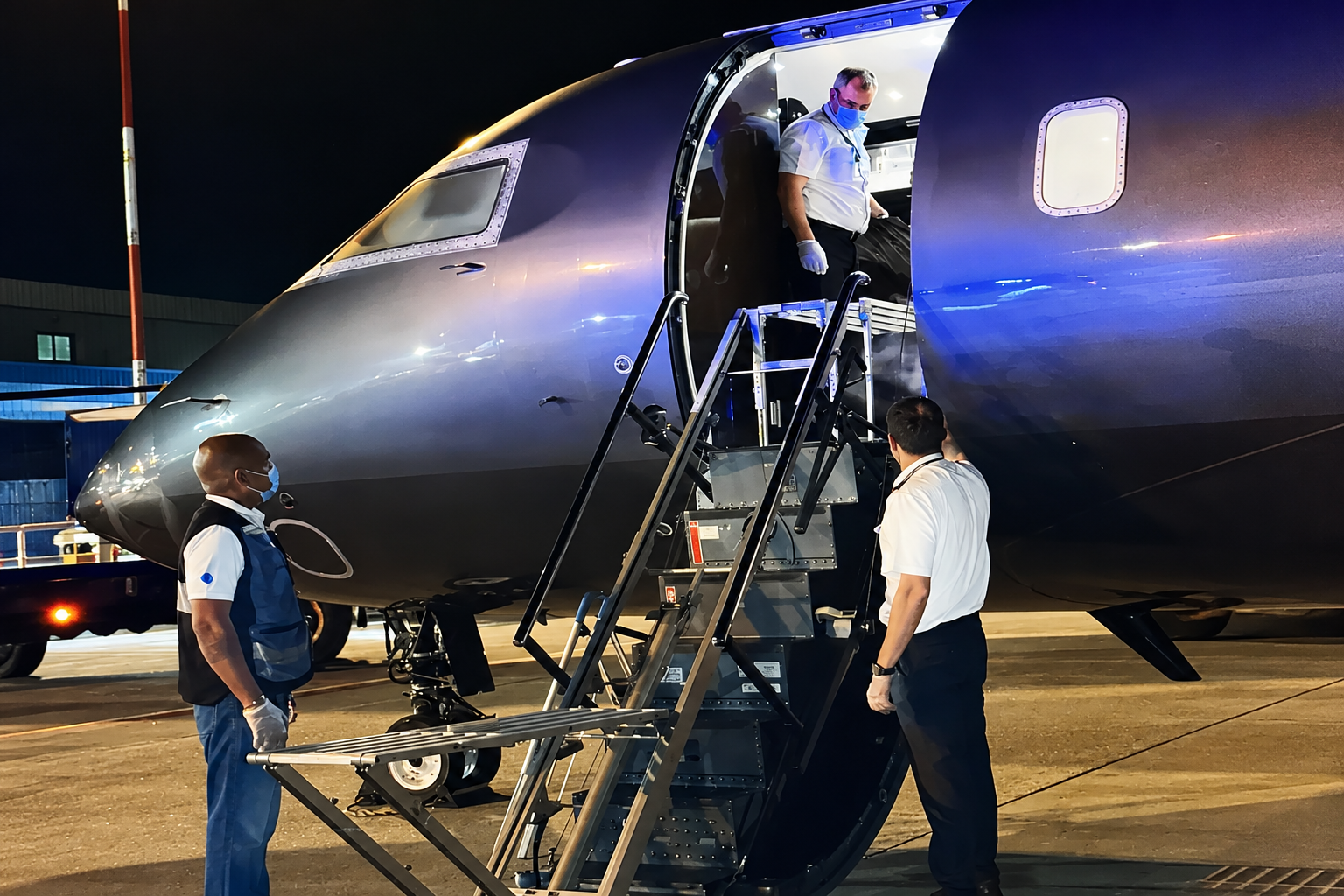
Air ambulances play a vital role as efficient means of transportation for these critical patients.
An intra-aortic balloon pump (IABP) is a therapeutic device used to assist the heart in pumping more blood efficiently when its functioning is compromised.
The heart pumps blood and nutrients to the different parts of the body and the primary artery that carries the oxygenated blood from the heart is the aorta.
IABP is a mechanical device that is inserted into the aorta through a catheter and assists the heart in pumping blood effectively, improving coronary artery blood flow and reducing the workload on the heart. It consists of an inflatable balloon that is inserted into the aorta, often through a small incision in the upper leg. The balloon pump catheter is inserted into an artery in the leg and guided to the aorta. The balloon then inflates and deflates in synchrony with the patient's heartbeat. The balloon inflates during the heart's relaxation phase, pushing blood back towards the coronary arteries to ensure they receive adequate blood supply. When the heart contracts, the balloon deflates, allowing the heart to pump more blood to the body with less energy expenditure. This inflation and deflation are timed to enhance coronary artery perfusion and reduce the afterload on the heart, improving cardiac output and oxygen supply to vital organs.
IABP treatment is indicative in patients with severe heart failure or cardiogenic shock, or during high-risk coronary interventions, such as percutaneous coronary intervention (PCI) or coronary artery bypass grafting (CABG) stabilizing the patient and improving procedural outcomes. In select cases of acute myocardial infarction, particularly when associated with cardiogenic shock, the IABP can help improve coronary blood flow and stabilize the patient's condition.
IABP treatment is typically used as a temporary measure. Patients may require it until their heart condition improves or until they can receive a more permanent treatment option.
When patients with acute heart conditions connected to IABP have to be transferred to specialized medical facilities, air ambulances play a vital role in providing a controlled environment for their transfer while considerably reducing the travel duration. The patient must, however, undergo a thorough fit-to-fly assessment by expert doctors before the transfer to prevent any untoward incidents arising from the change in air pressure and altitude.
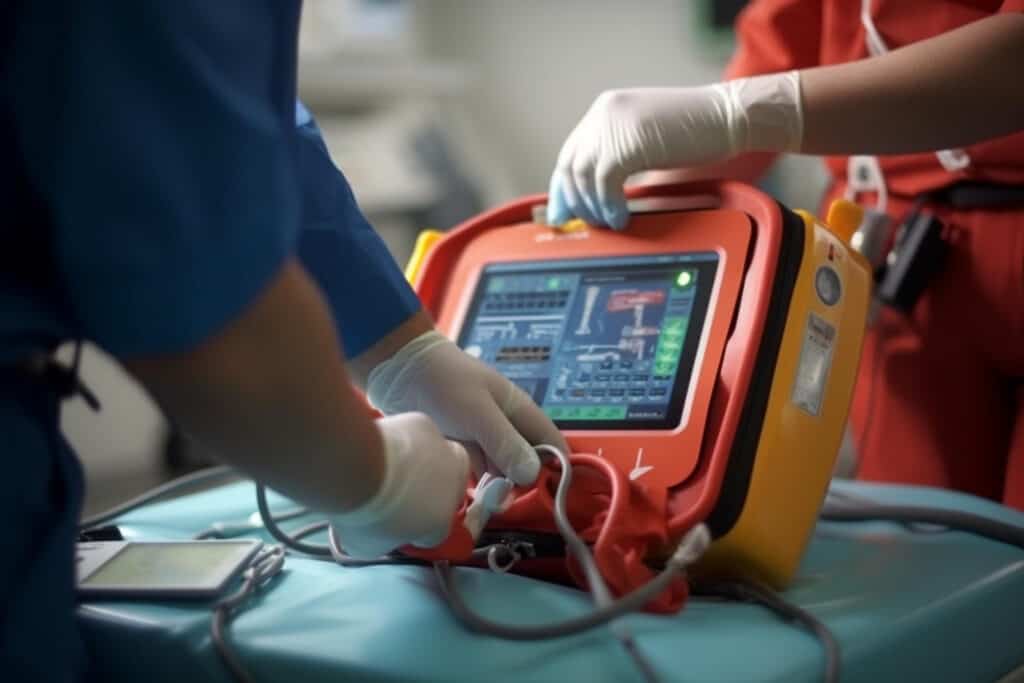
Air ambulances are equipped with cutting-edge medical equipment, including cardiac monitors, ventilators, and resuscitation devices, ensuring that any critical cardiac conditions that may arise can be effectively addressed. Accompanied by a team of highly trained medical professionals, including critical care nurses, physicians, and paramedics, patients receive continuous monitoring, immediate intervention, and comprehensive care during the transfer. Effective communication and coordination between the referring and receiving medical teams is also paramount for a smooth transfer process.
Bluedot Air Ambulance understands the critical nature of transporting patients with IABP. The priority is always patient safety and all necessary precautions are taken to optimize the transfer process for patients requiring such specialized care. The team coordinates closely with both medical teams and Bluedot’s complete digital documentation gives the medical teams access to comprehensive patient medical information every step of the journey, that enables accurate and prompt decision-making. With the focus on patient safety, a highly trained medical team, and access to state-of-the-art equipment, Bluedot patients receive the specialized care they need throughout their journey which has helped us maintain 100% success in our medical transfers.
قد يحتاج المرضى الذين يكافحون أمراض القلب الشديدة التي تتطلب عناية طبية مركزة إلى استخدام "مضخة البالون داخل الأبهر". وفي حين أن المستشفيات المحلية قد تقدم الرعاية الأساسية، فإن نقل المريض إلى منشأة طبية أكثر تقدماً يمكن أن يوفر له إمكانية الوصول إلى العلاجات المتخصصة، والتكنولوجيا المتطورة، والمهنيين الطبيين ذوي المهارات العالية. ويمثل هذا النقل طوق نجاة، مما يزيد من فرص المريض في النجاة ويحسن من نتائج حالته الصحية العامة.
وتؤدي طائرات الإسعاف الجوي دوراً حيوياً كوسيلة نقل فعالة لهؤلاء المرضى ذوي الحالات الحرجة.
وتُعد "مضخة البالون داخل الأبهر" جهازاً علاجياً يُستخدم لمساعدة القلب على ضخ المزيد من الدم بكفاءة عندما تضعف وظائفه الطبيعية.
يقوم القلب بضخ الدم والمغزيات إلى أجزاء الجسم المختلفة، ويُعد الشريان الأبهر (الأورطي) هو الشريان الرئيسي الذي يحمل الدم المحمل بالأكسجين من القلب.
ومضخة البالون داخل الأبهر هي جهاز ميكانيكي يتم إدخاله في الشريان الأبهر عبر قسطرة، ويساعد القلب على ضخ الدم بفعالية، مما يحسن تدفق الدم في الشرايين التاجية ويقلل العبء والجهد المبذول على القلب. ويتكون الجهاز من بالون قابل للنفخ يتم إدخاله في الأبهر، غالباً من خلال شق صغير في الجزء العلوي من الساق. ويتم إدخال قسطرة مضخة البالون في شريان الساق وتوجيهها حتى تصل إلى الأبهر. بعد ذلك، ينفخ البالون ويفغ بالتزامن مع ضربات قلب المريض. وينفخ البالون أثناء مرحلة انبساط (راحة) القلب، مما يدفع الدم بضغط عكسي نحو الشرايين التاجية لضمان تلقيها إمدادات دم كافية. وعندما ينقبض القلب، يفرغ البالون من الهواء، مما يسمح للقلب بضخ المزيد من الدم إلى الجسم باستهلاك طاقة أقل. وتم توقيت هذا النفخ والتفريغ بدقة لتعزيز تروية الشرايين التاجية وتقليل الحمل البعدي على القلب، مما يحسن من النتاج القلبي وإمدادات الأكسجين إلى الأعضاء الحيوية.
ويوصى بالعلاج بمضخة البالون داخل الأبهر للمرضى الذين يعانون من فشل قلبي حاد أو صدمة قلبية، أو أثناء التدخلات التاجية عالية المخاطر، مثل التدخل التاجي عبر الجلد (القسطرة العلاجية) أو جراحة مجازة الشريان التاجي (زراعة شرايين القلب)، مما يساهم في تحقيق استقرار حالة المريض وتحسين نتائج العمليات الجراحية. وفي حالات مختارة من احتشاء عضلة القلب الحاد (النوبة القلبية)، لا سيما عندما تكون مصحوبة بصدمة قلبية، يمكن أن تساعد المضخة في تحسين تدفق الدم التاجي واستقرار حالة المريض الطبية.
وعادةً ما يُستخدم العلاج بمضخة البالون داخل الأبهر كإجراء مؤقت. وقد يحتاجه المرضى حتى تتحسن حالة قلوبهم أو حتى يتمكنوا من تلقي خيار علاجي أكثر ديمومة واستدامة.
وعندما يتوجب نقل المرضى الذين يعانون من حالات قلبية حادة والموصولين بمضخة البالون داخل الأبهر إلى مرافق طبية متخصصة، تؤدي طائرات الإسعاف الجوي دوراً حيوياً في توفير بيئة محكومة لنقلهم مع تقليل مدة السفر بشكل ملحوظ. ومع ذلك، يجب أن يخضع المريض لتقييم دقيق لمدى ملاءمته للطيران من قِبل أطباء خبراء قبل عملية النقل، وذلك لمنع أي حوادث عارضة قد تنجم عن التغير في الضغط الجوي والارتفاع.
وتم تجهيز طائرات الإسعاف الجوي بأحدث المعدات الطبية المتطورة، بما في ذلك أجهزة مراقبة القلب، وأجهزة التنفس الاصطناعي، وأجهزة الإنعاش، مما يضمن إمكانية التعامل بفعالية مع أي حالات قلبية حرجة قد تطرأ. وبمرافقة فريق من المهنيين الطبيين المدربين تدريباً عالياً، بما في ذلك ممرضو العناية المركزة، والأطباء، والمسعفون، يخضع المرضى لمراقبة مستمرة، وتدخل فوري، ورعاية شاملة طوال فترة النقل. كما يُعد التواصل والتنسيق الفعال بين الفريق الطبي المرسل والفريق الطبي المستقبل أمراً بالغ الأهمية لضمان سير عملية النقل بسلاسة.
وتدرك شركة بلودوت للإسعاف الجوي الطبيعة الحرجة لنقل المرضى الموصولين بمضخة البالون داخل الأبهر. وتضع الشركة سلامة المريض دائماً كأولوية قصوى، حيث يتم اتخاذ جميع الاحتياطات اللازمة لتحسين عملية النقل للمرضى الذين يحتاجون إلى هذه الرعاية المتخصصة. وينسق الفريق بشكل وثيق مع كلا الفريقين الطبيين، كما يتيح نظام التوثيق الرقمي الكامل لدى بلودوت للفرق الطبية إمكانية الوصول إلى معلومات طبية شاملة عن المريض في كل خطوة من خطوات الرحلة، مما يمكنهم من اتخاذ قرارات دقيقة وفورية. ومن خلال التركيز المطلق على سلامة المرضى، ووجود فريق طبي عالي التدريب، وإمكانية الوصول إلى أحدث المعدات المتطورة، يتلقى مرضى بلودوت الرعاية المتخصصة التي يحتاجونها طوال رحلتهم، مما ساعدنا في الحفاظ على نسبة نجاح تبلغ مئة بالمئة في جميع عمليات النقل الطبي لدينا.