Published on 05 May 2022 – 3 min read read نُشر بتاريخ 05 May 2022 – مدة القراءة: 3 دقائق.
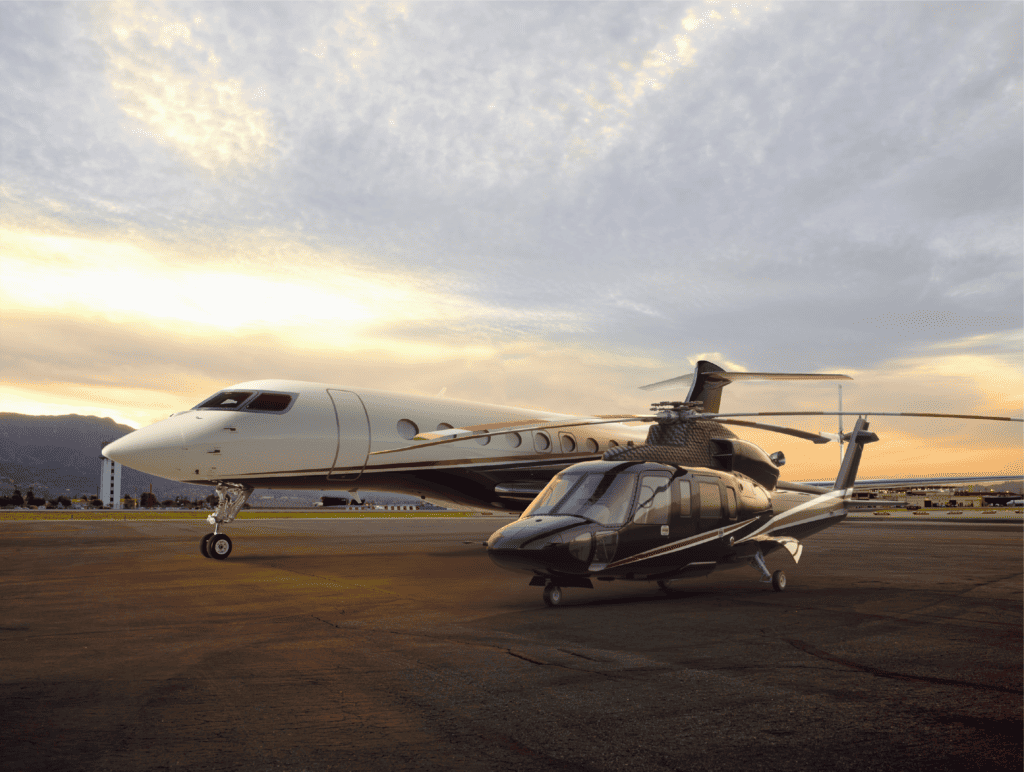
Bluedot largely specializes in fixed-wing or Air Ambulance jets as well as stretchers on commercial flights. This is not to say that helicopters are not used, but they serve special purposes. For most international, long-distance flights, there's no question: the aircraft will be a jet. Besides, there are several other aero and medical factors that come into play in the choice of aircraft.
Helicopters are usually called for emergency incidents such as accidents and rescue on mountainous or other rough terrains as well as in densely built cities. This is because they can land almost anywhere that's flat with a mere 100 sq ft of space and very close to the site needing attention. They are nimble, with flexible flight paths and short turnaround times. At the same time, trees, power cables, and other obstacles can make helicopter journeys hazardous.
Airplanes on the other hand require landing strips or airports. They cannot usually land close to accident sites or fly near dense or low-altitude terrain. In fact, jet airplanes perform at a whole other level of action: that of long-distance transfers, and often, high-altitude flying, some of which can beat some odds of local weather and may be safer, smoother, and more comfortable for patients.
Once commissioned for long-distance flight, Air Ambulance jets have the advantage of space (and stretchers on commercial jets can be even more spacious). They can be converted into emergency rooms even at altitudes as high as 40,000 ft. with the facility to use technology such as ventilators across thousands of kilometers. But airplanes are more susceptible to altitude-related problems precisely because they travel at higher altitudes. However, they have pressurized cabins which help correct these problems. Helicopters are also susceptible to altitude-related issues since even at an elevation of 1500 feet, atmospheric pressure decreases considerably.
A number of medical circumstances favor the use of fixed-wing jet airplanes, even at altitudes below 10,000 feet, when a pressurized cabin is required. This includes respiratory diseases, unstable angina, multiple organ failure, cancer, stroke, congestive heart failure, heart attack, hemorrhagic stroke, and peripheral arterial disease. Patients with Flicker Vertigo or photosensitive epilepsy must also avoid helicopters. And due to weight limitations, Bariatric patients almost always need to use airplanes.
Weather conditions also often favor the use of fixed-wing airplanes, including icing. Helicopters don’t have anti-icing equipment like fixed-wing jets do, such as heating the edge of the wing or inflating pneumatic boots. Icing is a cause for concern after lift-off too. The temperature decreases as the aircraft gain altitude, increasing the risk of icing – especially when humidity is high.
Most helicopters do not have IVF equipment (electronic equipment that allows pilots to gauge conditions even when their window vision is obscured) and have trouble landing in the rain, fog, and snow. Fixed-wing aircraft always include an IVF system, although they too will take extra caution during takeoff and landing due to slippery conditions.
Helicopters are therefore best used for short-distance, trauma-related emergency situations where time is crucially important, while fixed-wing jets are a better option in most other situations.
Hope. Positivity. Journeys of care.
At your service.
Team Bluedot
Sources:
https://www.ncbi.nlm.nih.gov/books/NBK482358/
https://www.csiaviation.com/
تتخصص شركة بلودوت بشكل كبير في تشغيل طائرات الإسعاف الجوي ذات الأجنحة الثابتة (الطائرات النفاثة)، بالإضافة إلى نقل المرضى على النقالات الطبية المجهزة على متن الرحلات التجارية. وهذا لا يعني عدم الاستعانة بالطائرات المروحية (الهليكوبتر)، إلا أنها تُستخدم لأغراض تخصصية محددة. فبالنسبة لمعظم رحلات النقل الدولية طويلة المدى، لا يوجد وجه للمقارنة؛ إذ تظل الطائرات النفاثة هي الخيار الحتمي، إلى جانب وجود عوامل طبية وجوية أخرى تدخل في سياق اختيار الطائرة المناسبة.
وعادة ما يتم استدعاء الطائرات المروحية في حوادث الطوارئ وعمليات الإنقاذ في المناطق الجبلية أو التضاريس الوعرة، وكذلك في المدن ذات الكثافة العمرانية العالية. ويعود ذلك إلى قدرتها على الهبوط في أي مكان تقريباً يتميز بسطح مستوٍ ولا تتجاوز مساحته مئة قدم مربعة، وعلى مقربة شديدة من الموقع المستهدف. كما أنها تمتاز بالمرونة والقدرة على المناورة مع مسارات طيران مرنة وأوقات تجهيز قصيرة. ومع ذلك، فإن وجود الأشجار، وكابلات الطاقة، والعوائق الأخرى قد يجعل رحلات المروحيات تنطوي على مخاطر جمة.
وعلى النقيض من ذلك، تتطلب الطائرات النفاثة مدارج هبوط أو مطارات مجهزة؛ لذا لا يمكنها عادة الهبوط بالقرب من مواقع الحوادث أو الطيران بالقرب من التضاريس الكثيفة أو ذات الارتفاعات المنخفضة. وفي واقع الأمر، تعمل الطائرات النفاثة على مستوى آخر تماماً من الأداء؛ وهو النقل لمسافات طويلة، وغالباً على ارتفاعات شاهقة، مما يتيح لبعضها تجاوز تقلبات الطقس المحلي، وتوفير رحلات أكثر أماناً، وسلاسة، وراحة للمرضى.
وعند اعتمادها للرحلات طويلة المدى، تتميز طائرات الإسعاف الجوي النفاثة بميزة المساحة الواسعة (كما يمكن أن تكون النقالات الطبية على متن الطائرات التجارية الكبيرة أكثر اتساعاً). ويمكن تحويل هذه الطائرات إلى غرف عناية مركزة حتى على ارتفاعات تصل إلى أربعين ألف قدم، مع تزويدها بالتقنيات الطبية مثل أجهزة التنفس الاصطناعي عبر آلاف الكيلومترات. ورغم أن الطائرات تكون أكثر عرضة للمشاكل المرتبطة بالارتفاعات لكونها تحلق في مستويات شاهقة، إلا أنها تمتلك مقصورات مضغوطة تساعد في معالجة هذه المشكلات وتعديل الضغط. في المقابل، تتأثر المروحيات أيضاً بالمشاكل المتعلقة بالارتفاع؛ حيث ينخفض الضغط الجوي بشكل ملحوظ حتى عند الارتفاعات المنخفضة التي تبدأ من ألف وخمسمئة قدم.
وهناك العديد من الظروف الطبية التي تحبذ استخدام الطائرات النفاثة ذات الأجنحة الثابتة -حتى عند التحليق على ارتفاعات أقل من عشرة آلاف قدم- عندما تستدعي الحالة توفر مقصورة مضغوطة. وتشمل هذه الحالات: أمراض الجهاز التنفسي، والذبحة الصدرية غير المستقرة, والفشل المتعدد في أعضاء الجسم، والسرطان، والسكتة الدماغية، وفشل القلب الاحتقاني، والنوبات القلبية، والسكتة الدماغية النزفية، ومرض الشرايين المحيطية. كما يجب على المرضى الذين يعانون من الدوار الوميضي أو الصرع الحساس للضوء تجنب المروحيات تماماً. وبسبب قيود الوزن، يحتاج مرضى السمنة المفرطة تقريباً وبشكل دائم إلى استخدام الطائرات النفاثة.
وأخيراً، تلعب الظروف الجوية دوراً حاسماً في تفضيل الطائرات ذات الأجنحة الثابتة، لا سيما في حالات تشكل الجليد. فالمروحيات لا تحتوي على معدات لمكافحة تشكل الجليد مثل تلك المتوفرة في الطائرات النفاثة، كأنظمة تسخين أطراف الأجنحة أو الأحذية الهوائية القابلة للنفخ. ويعد تشكل الجليد مصدراً كبيراً للقلق قبل الإقلاع مباشرة؛ حيث تنخفض درجات الحرارة كلما اكتسبت الطائرة ارتفاعاً، مما يزيد من مخاطر التجمد، خاصة عندما تكون مستويات الرطوبة مرتفعة.
أمل. إيجابية. رحلات الرعاية الشاملة. في خدمتكم دائماً. فريق بلودوت