Published on 15 Aug 2023 – 3 min read read نُشر بتاريخ 15 Aug 2023 – مدة القراءة: 3 دقائق.
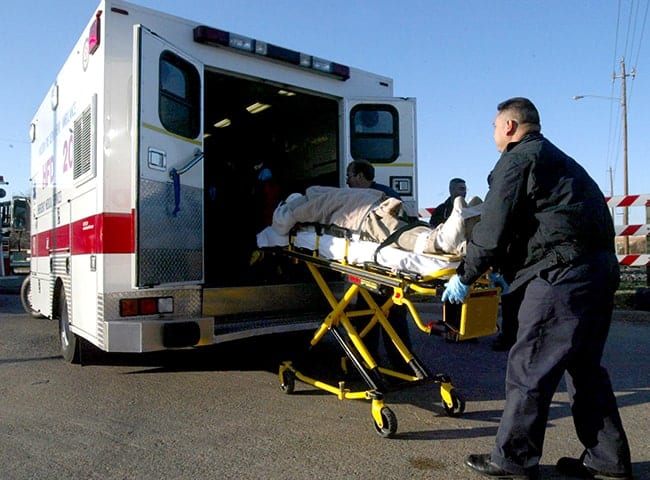
Flying after an accident involving bone fractures needs careful consideration. Read below about two international medical repatriation missions undertaken by Bluedot, shedding light on the essential factors that ensure safe and successful journeys for patients on the path to recovery.
Case 1:
Air Ambulance Transfer from Bangkok to Abudhabi of patient with Pelvic external Fixation device
The patient, a 67-year-old male, sustained a pelvic fracture and several other long bone injuries in a road traffic accident. An external fixator was applied for pelvic stabilization. Urgent air ambulance transfer from Bangkok to Dubai was needed for advanced medical intervention.
Challenges:
Transferring the patient to and from the bed presented significant challenges due to the external fixator and pelvic fracture. Handling the delicate pelvic injury required utmost care to prevent exacerbation during transport. Ensuring the external fixator's safety and stability during transfer was paramount.
Additionally, the dimensions of the device and the patient were meticulously measured and cross-referenced with the aircraft's door dimensions, cabin height, stretcher width, and space between the stretcher and aircraft sides. Such meticulous assessment aided in selecting the appropriate aircraft for the transfer.
Additional Precautions:
Secure immobilization during loading/unloading to minimize pelvic stress.
Frequent monitoring of vital signs, pain levels, and external fixator stabilityduring the flight.
Seamless communication and coordination among the medical team throughout the transfer process.
Case 2:
Commercial flight stretcher transfer of a patient with skeletal traction.
The case involved a 23-year-old male with an isolated femur fracture from a Jet Ski accident, necessitating repatriation from Dubai to London. There were no other injuries. The challenge was the patient's traction with weight and maintaining it during the transfer that was arranged by commercial flight stretcher.
Setting up tractions within a commercial aircraft requires meticulous planning. Not all aircraft types accommodate the traction system at the leg end. Detailed preparation included assessing aircraft type, stretcher seating arrangement, and leg end space, before taking a patient with traction onboard. A Tynor traction Kit with water weight replaced the metal weight traction (In Some cases, sand can also replace the metal weight). Proper care had to be taken to stabilise the traction kit and the weight during take-off, landing and turbulence.
Pain Management Precautions:
Effective pain management was prioritized throughout. A thorough pain assessment preceded transportation to determine the most appropriate analgesic plan. The Flight Physician ensured pain relief alignment with the patient's condition and complications during the journey.
The cases presented here exemplify the intricate and tailored approach Bluedot undertakes to ensure the safe and efficient transportation of patients with fractures. No matter the challenges with our commitment, meticulous planning and comprehensive preparation Bluedot continues to redefine the standards of excellence in air medical services, ensuring the well-being of patients at every step.
شكل نقل المريض من وإلى السرير تحديات كبيرة نظراً لوجود جهاز التثبيت الخارجي وإصابة كسر الحوض. وتطلب التعامل مع إصابة الحوض الحساسة أقصى درجات الحذر والحيطة لمنع تفاقم الحالة أثناء النقل. وكان ضمان سلامة جهاز التثبيت الخارجي واستقراره أثناء عملية النقل أمراً بالغ الأهمية وله الأولوية القصوى.
بالإضافة إلى ذلك، تم قياس أبعاد الجهاز والمريض بدقة متناهية ومطابقتها ومقارنتها مع أبعاد باب الطائرة، وارتفاع المقصورة، وعرض النقالة، والمساحة المتاحة بين النقالة وجوانب الطائرة. وقد ساعد هذا التقييم الدقيق والشامل في اختيار الطائرة المناسبة والأكثر ملاءمة لإجراء عملية النقل.
احتياطات إضافية:
تأمين التثبيت المحكم والكامل أثناء عمليات التحميل والتنزيل لتقليل الإجهاد والضغط على الحوض.
المراقبة المستمرة والمتكررة لعلامات المريض الحيوية، ومستويات الألم، ومدى استقرار جهاز التثبيت الخارجي طوال فترة الرحلة.
تحقيق التواصل السلس والتنسيق المتكامل بين أعضاء الفريق الطبي طوال مراحل عملية النقل.
الحالة الثانية:
نقل مريض عبر نقالة رحلة تجارية مع وجود جهاز شد الهيكل العظمي.
شملت الحالة شاباً يبلغ من العمر ثلاثة وعشرين عاماً يعاني من كسر منفصل في عظم الفخذ نتيجة حادث دراجة مائية (جيت سكي)، مما استدعى إعادته طبياً من دبي إلى لندن. ولم تكن هناك أي إصابات أخرى. وتمثل التحدي الأساسي في وجود جهاز الشد الخاص بالمريض مع الأثقال والمحافظة على استقراره وثباته أثناء عملية النقل التي تم ترتيبها عبر نقالة على متن رحلة تجارية.
إن إعداد أنظمة الشد داخل طائرة تجارية يتطلب تخطيطاً دقيقاً للغاية؛ إذ لا تستوعب جميع طرازات الطائرات نظام الشد عند طرف الساق. وشملت التحضيرات المفصلة تقييم طراز الطائرة، وترتيبات المقاعد الخاصة بالنقالة، والمساحة المتاحة عند طرف الساق، وذلك قبل قبول صعود المريض الذي يخضع للشد على متن الطائرة. وتم استبدال ثقل الشد المعدني بمجموعة شد من ماركة "تاينور" تعتمد على أوزان الماء (وفي بعض الحالات، يمكن أن يحل الرمل أيضاً محل الثقل المعدني). وكان لزاماً اتخاذ الرعاية المناسبة لتثبيت مجموعة الشد والوزن أثناء عمليات الإقلاع، والهبوط، وعند حدوث الاضطرابات الجوية (المطبات الجوية).
احتياطات إدارة الألم:
تم وضع الإدارة الفعالة للألم كأولوية قصوى طوال العملية. وسبق عملية النقل إجراء تقييم شامل للألم لتحديد خطة مسكنات الألم الأكثر ملاءمة للمريض. وحرص طبيب الرحلة الجوية على مواءمة وتنسيق تدابير تخفيف الألم مع حالة المريض الصحية ومنع حدوث أي مضاعفات أثناء الرحلة.
تجسد الحالات المعروضة هنا النهج المعقد والمصمم خصيصاً الذي تتبعه شركة بلودوت لضمان النقل الآمن والفعال للمرضى الذين يعانون من الكسور. ومهما كانت التحديات، فإن بلودوت، بفضل التزامها الراسخ وتخطيطها الدقيق وتحضيراتها الشاملة، تستمر في إعادة تعريف معايير التميز في خدمات الإسعاف الطبي الجوي، مؤكدة على ضمان سلامة المرضى ورعايتهم في كل خطوة من خطوات الطريق.