Published on 21 Mar 2023 – 3 min read read نُشر بتاريخ 21 Mar 2023 – مدة القراءة: 3 دقائق.
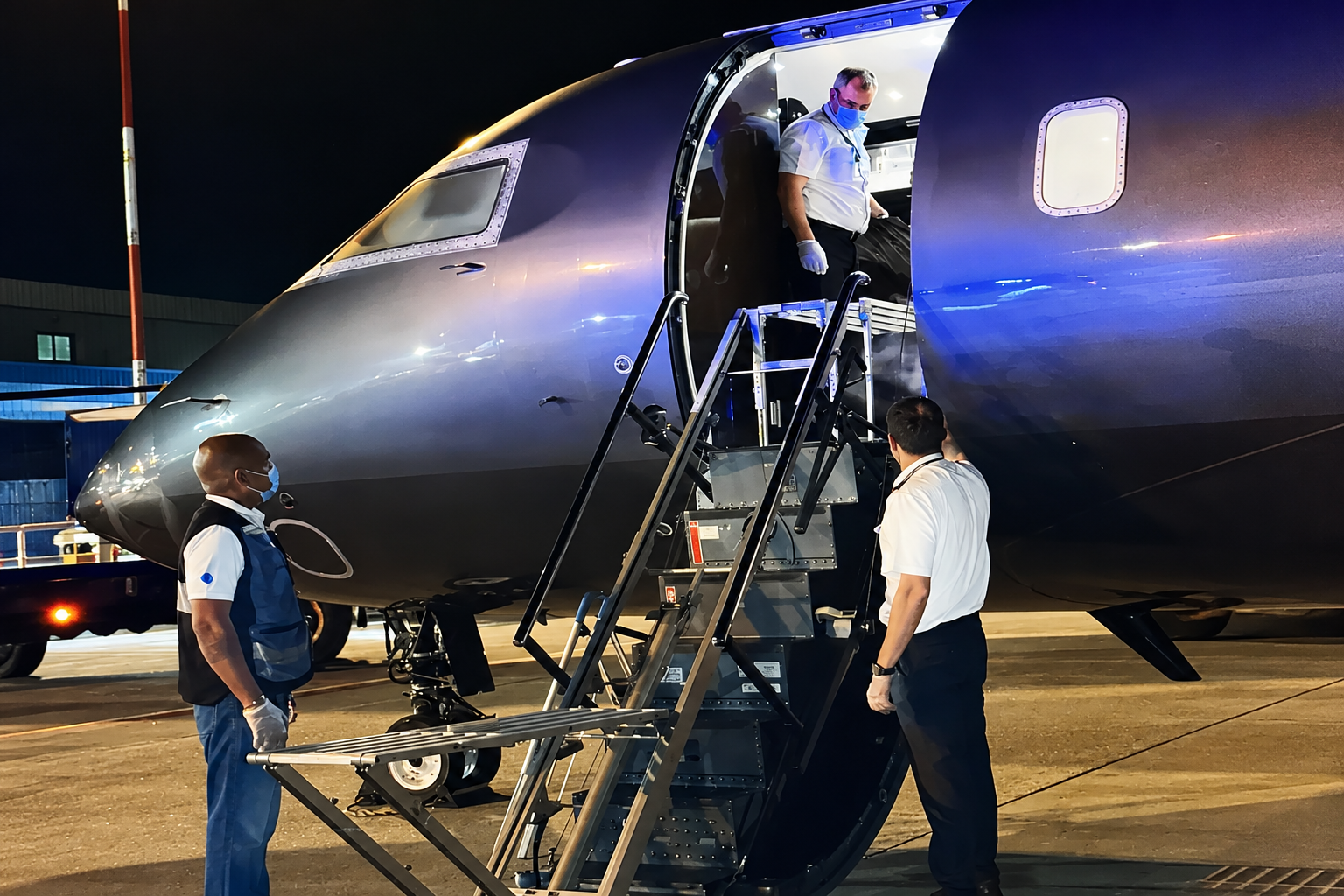
Air ambulances are an essential part of modern emergency medical services. They provide immediate transportation for critically ill or injured patients to advanced medical facilities. The aircrafts used vary depending on the specific requirements of the patient, the distance and terrain involved, and availability. Helicopters and fixed-wing planes are the most common types of aircraft used for air ambulance services.
Designed to care
Smaller aircraft that typically operate as private jets are adapted or re-designed to accommodate medical equipment and personnel. By reducing seating capacity, air ambulances have more space to store medical equipment and provide additional room for the medical team to work. They also have specialized air conditioning and heating systems to maintain a comfortable temperature for the patient and medical staff.
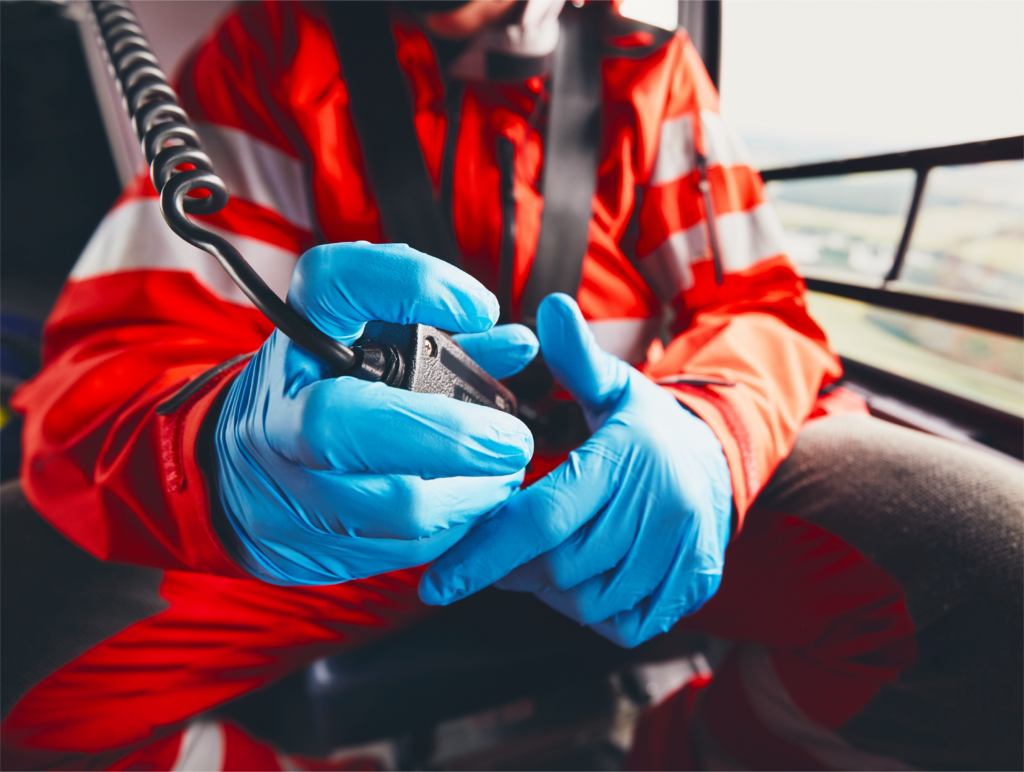
The communication systems allow for uninterrupted consultation between the air ambulance crew and ground-based medical personnel, ensuring that the patient receives the best possible care throughout the journey.
State-of-the-art technology
Regardless of the type, these aircrafts are equipped to care for and treat patients with complex medical conditions. As the spaces within the air ambulances are quite confined and the circumstances are very different from the ground emergency services the equipment on board should meet the standards regarding vibration, shock, and electromagnetic compatibility.
One of the most important pieces of equipment in an air ambulance is the patient monitoring system. This system monitors the patient's vital signs, including heart rate, blood pressure, and oxygen saturation levels. This information is critical for the medical team to ensure appropriate treatment for the patient while in transit.
Another essential piece of equipment on board air ambulances is a ventilator. This machine helps to support a patient's breathing, providing oxygen to the lungs and removing carbon dioxide. Patients who require critical care often have difficulty breathing on their own, and the ventilator can help to support their respiratory function until they reach a medical facility for further treatment.
Air ambulances are also equipped with advanced cardiac life support (ACLS) equipment, including defibrillators, pacemakers, and medications to treat heart arrhythmias. These devices are used to manage heart attacks and other cardiovascular emergencies that can occur during transport.
In the case of patients whose heart and lungs are unable to sustain the required blood oxygen level, the ECMO (Extracorporeal Membrane Oxygenation) unit is the lifesaver.
Based on the available medical history of the patient and the nature of injury/trauma at the time, the required medical equipment is boarded ensuring that no eventuality becomes life-threatening.
In addition to medical equipment, air ambulances also carry a range of medications to treat a variety of conditions. These include pain relievers, antibiotics, adrenalin, propofol, beta-blockers, anticoagulants, and other emergency medications to manage conditions such as diabetes, asthma, and seizures.
Trained & experienced medical professionals
The medical staff on board air ambulances are highly trained in critical care and emergency medicine. They include paramedics, nurses, and physicians who specialize in emergency medicine. These medical professionals work closely with the patient monitoring system to assess the patient's condition and determine the appropriate treatment plan. They work closely with ground-based medical personnel to coordinate care and ensure that the patient is stable throughout the entire transport process.
Air ambulances also have the capability to transport organs and tissues for transplant. They are equipped with special containers and refrigeration units to preserve organs and tissues during transport, ensuring that they remain viable for transplantation.
In conclusion
Air ambulances can cover long distances in a short amount of time while providing a smooth and stable ride. This is particularly important for patients with serious injuries or medical conditions. One of the best forms of rapid response systems for medical emergencies, air ambulances can be deployed quickly, allowing medical professionals to provide life-saving care to patients in remote or hard-to-reach locations.
تكنولوجيا متطورة
بغض النظر عن نوع الطائرة، فإن هذه المركبات الجوية مجهزة بالكامل لتقديم الرعاية والعلاج للمرضى الذين يعانون من حالات طبية معقدة. ونظراً لأن المساحات داخل طائرات الإسعاف الجوي ضيقة ومحصورة للغاية، كما أن الظروف تختلف تماماً عن خدمات الطوارئ الأرضية، فإن المعدات الموجودة على متن الطائرة يجب أن تلبي المعايير الصارمة المتعلقة بالاهتزازات، والصدمات، والتوافق الكهرومغناطيسي.
ومن أهم الأجهزة الطبية على متن طائرة الإسعاف الجوي هو نظام مراقبة المريض. يتولى هذا النظام مراقبة العلامات الحيوية للمريض، بما في ذلك معدل ضربات القلب، وضغط الدم، ومستويات تشبع الأكسجين في الدم. وتُعد هذه المعلومات حاسمة لتمكين الفريق الطبي من ضمان تقديم العلاج المناسب للمريض أثناء نقله.
جهاز حيوي آخر لا غنى عنه على متن طائرات الإسعاف الجوي هو جهاز التنفس الاصطناعي. تساعد هذه الآلة في دعم تنفس المريض، وتوفير الأكسجين للرئتين والتخلص من ثاني أكسيد الكربون. وغالباً ما يعاني المرضى الذين يحتاجون إلى رعاية حرجة من صعوبة في التنفس بمفردهم، ويمكن لجهاز التنفس الاصطناعي أن يساعد في دعم وظائفهم التنفسية حتى يصلوا إلى منشأة طبية لتلقي المزيد من العلاج.
كما تم تجهيز طائرات الإسعاف الجوي بمعدات متطورة لدعم الحياة القلبية المتقدمة، بما في ذلك أجهزة إزالة رجفان القلب، وأجهزة تنظيم ضربات القلب، والأدوية اللازمة لعلاج عدم انتظام ضربات القلب. وتُستخدم هذه الأجهزة للتعامل مع النوبات القلبية وحالات طوارئ القلب والأوعية الدموية الأخرى التي قد تحدث أثناء النقل.
وفي حالة المرضى الذين تعجز قلوبهم ورئاتهم عن الحفاظ على مستوى أكسجين الدم المطلوب، فإن وحدة الأكسجة الغشائية خارج الجسم (الإيكمو) تمثل طوق النجاة لإنقاذ حياتهم.
وبناءً على التاريخ الطبي المتاح للمريض وطبيعة الإصابة أو الصدمة في ذلك الوقت، يتم توفير المعدات الطبية المطلوبة على متن الطائرة لضمان عدم تحول أي ظرف طارئ إلى تهديد للحياة.
بالإضافة إلى المعدات الطبية، تحمل طائرات الإسعاف الجوي أيضاً مجموعة متنوعة من الأدوية لعلاج الحالات المختلفة. وتشمل هذه الأدوية مسكنات الألم، والمضادات الحيوية، والأدرينالين، والبروفوفول، وحاصرات بيتا، ومضادات التخثر، وغيرها من أدوية الطوارئ للتعامل مع حالات مثل السكري، والربو، والنوبات التشنجية.
مهنيون طبيون مدربون وذوو خبرة
إن الطاقم الطبي على متن طائرات الإسعاف الجوي مدرب على أعلى مستوى في مجالات الرعاية الحرجة وطب الطوارئ. ويضم الطاقم مسعفين، وممرضين، وأطباء متخصصين في طب الطوارئ. ويعمل هؤلاء المهنيون الطبيون عن قرب مع نظام مراقبة المريض لتقييم حالته وتحديد خطة العلاج المناسبة. كما ينسقون بشكل وثيق مع الكوادر الطبية الأرضية لترتيب الرعاية وضمان استقرار حالة المريض طوال عملية النقل بأكملها.
وتمتلك طائرات الإسعاف الجوي أيضاً القدرة على نقل الأعضاء والأنسجة البشرية المخصصة لعمليات الزراعة. وهي مجهزة بحاويات خاصة ووحدات تبريد لحفظ الأعضاء والأنسجة أثناء النقل، مما يضمن بقاءها صالحة لعمليات الزرع.
في الختام
يمكن لطائرات الإسعاف الجوي قطع مسافات طويلة في فترة زمنية قصيرة مع توفير رحلة سلسة ومستقرة. ويكتسي هذا الأمر أهمية خاصة للمرضى الذين يعانون من إصابات خطيرة أو حالات طبية حرجة. وباعتبارها واحدة من أفضل أشكال أنظمة الاستجابة السريعة لحالات الطوارئ الطبية، يمكن نشر طائرات الإسعاف الجوي بسرعة، مما يسمح للمهنيين الطبيين بتقديم رعاية منقذة للحياة للمرضى في المناطق النائية أو التي يصعب الوصول إليها.