Published on 15 May 2023 – 3 min read read نُشر بتاريخ 15 May 2023 – مدة القراءة: 3 دقائق.
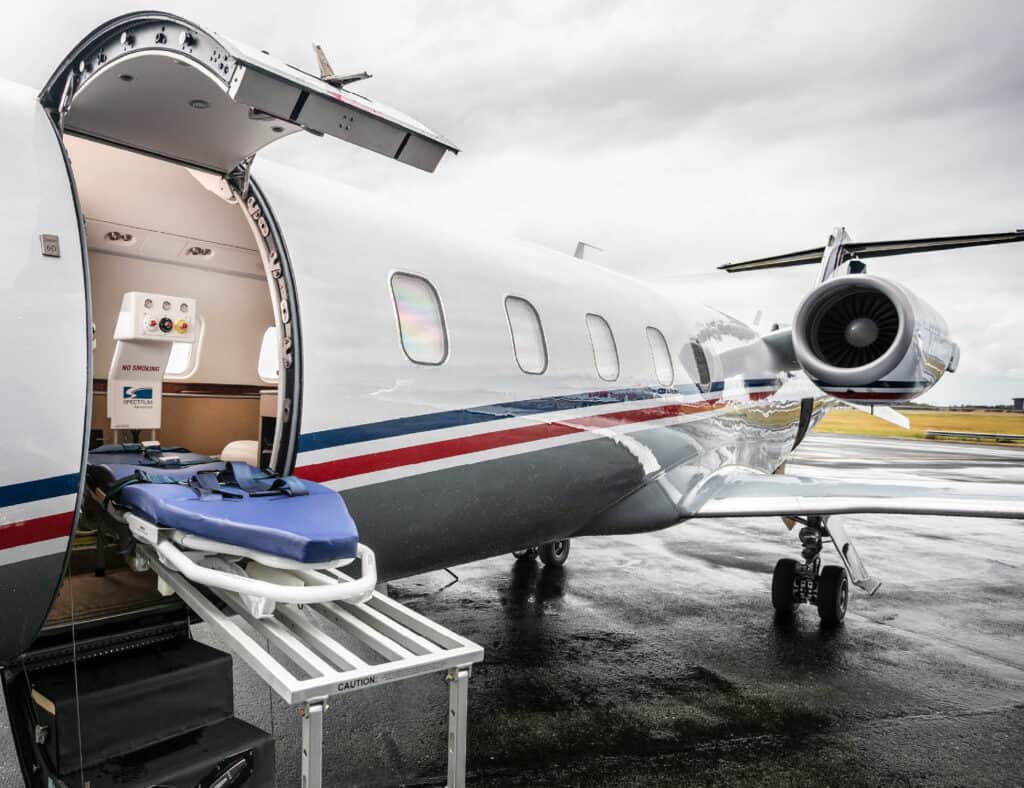
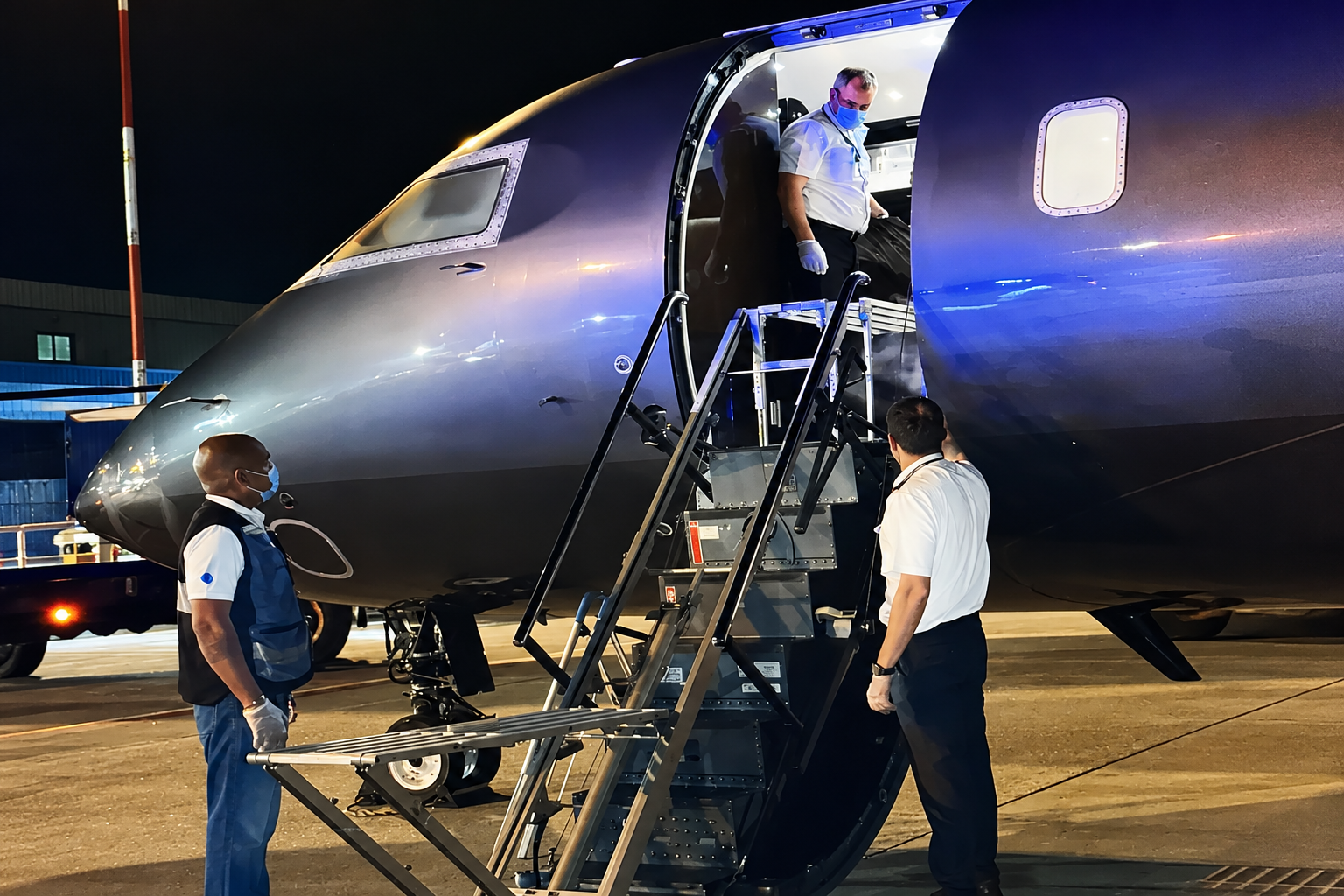
Air Ambulance, as the name suggests, is required in times of medical emergencies. As opposed to land ambulances, Air ambulances, in particular, are used for critical care cases where immediate transportation is required or when patients have to be transported over long distances, which is not possible by road. Any compromise in quality or service can inadvertently become life-threatening under such circumstances.
Accreditation - The Process
Accreditation plays a crucial role in ensuring that air ambulance providers meet and maintain the highest standards of safety, efficiency, and patient care. Organizations like EURAMI, NAAMTA, and CAMTS serve as advocates for quality medical care, and ethical business practices in the Air ambulance and rescue sector.
Service providers applying for registration and membership will have to meet the standards set in the categories they opt for. These encompass all aspects including aircraft maintenance, medical equipment, staff training, clinical practices, and patient care. They then have to undergo a thorough evaluation to ensure compliance with all the stringent criteria for quality and safety.
Being accredited by global agencies like EURAMI, and CAMTS demonstrates the Air ambulance providers' commitment to upholding safety and quality standards and often going above and beyond the minimum requirements outlined in governmental regulations. Patients and their families can find comfort in knowing that they are getting the best care possible and that all established patient care protocols are being followed.
Air ambulance service providers are also required to engage in regular training programs to enhance the skill and knowledge of their staff. Through continuous evaluation, accredited companies identify areas of improvement and implement necessary changes to enhance patient outcomes and overall service quality.
Wing-to-wing transfers - only accredited providers
Air transfer of patients over long distances, from bedside to bedside, often requires transfer from one aircraft to another while maintaining all the necessary medical support and monitoring throughout the process. Wing-to-wing transfer is a complex process and global accreditation is of utmost importance when different companies have to partner with each other. Irrespective of where they are based, similar standards and processes ensure that companies are diligent and careful in their mutual missions while being able to provide patient services that would not have been individually possible.
Accreditation and integrated healthcare
Accreditation encourages a cohesive and effectively integrated healthcare system that benefits patients and lowers the possibility of mistakes or delays in life-or-death circumstances. Hospitals, emergency medical services, and other healthcare organizations have established relationships and protocols with accredited air ambulance providers. This streamlined coordination ensures the efficient transfer of patients, smooth transitions of care, and effective communication among all parties involved.
By meeting these standards, accredited providers minimize legal risks and demonstrate their commitment to upholding the highest ethical and legal standards in their operations, benefitting not only patients but also contributing to the overall advancement and professionalism of the air ambulance industry.
Bluedot - only the best possible care
Bluedot is committed to offering services that are far above market standards. One of the ways in which Bluedot ensures that our clients get the best of international services in the medical transfer is by engaging only certified operators.
Through a stringent quality procedure, we select internationally licensed Air Ambulance operators to provide accredited services and teams that are certified by either the Commission on Accreditation of Medical Transport Systems, CAMTS, or the European Aero-Medical Institute, EURAMI and then assign the best aircraft based on the situation or terrain, such as oil rigs at sea or desert locations.
يُطلب الإسعاف الجوي، كما يوحي الاسم، في أوقات الطوارئ الطبية. وعلى العكس من سيارات الإسعاف الأرضية، يُستخدم الإسعاف الجوي على وجه الخصوص في حالات الرعاية الحرجة التي تتطلب نقلاً فورياً، أو عندما يتعين نقل المرضى لمسافات طويلة لا يمكن قطعها عن طريق البر. وفي ظل هذه الظروف، فإن أي تهاون في الجودة أو الخدمة يمكن أن يتحول دون قصد إلى تهديد حقيقي للحياة.
الاعتماد - الآلية والخطوات
يؤدي الاعتماد دوراً حاسماً في ضمان استيفاء مزودي خدمات الإسعاف الجوي لأعلى معايير السلامة، والكفاءة، ورعاية المرضى والحفاظ عليها. وتعمل منظمات دولية مثل "المعهد الأوروبي للمستندات الطبية الجوية" (يورامي)، و"الجمعية الوطنية لاعتماد النقل الطبي الجوي" (نامتا)، و"اللجنة الدولية لاعتماد أنظمة النقل الطبي" (كامتس) كمدافعين عن الرعاية الطبية عالية الجودة والممارسات التجارية الأخلاقية في قطاع الإسعاف الجوي والإنقاذ.
يتعين على مزودي الخدمات الذين يتقدمون بطلبات للتسجيل والعضوية استيفاء المعايير المحددة في الفئات التي يختارونها. وتشمل هذه المعايير جميع الجوانب بما في ذلك صيانة الطائرات، والمعدات الطبية، وتدريب الموظفين، والممارسات السريرية، ورعاية المرضى. وبعد ذلك، يتعين عليهم الخضوع لتقييم شامل لضمان الامتثال لجميع المعايير الصارمة للجودة والسلامة.
إن الحصول على الاعتماد من قِبل وكالات عالمية مثل "يورامي" و"كامتس" يظهر التزام مزودي خدمات الإسعاف الجوي بالتمسك بمعايير السلامة والجودة، وغالباً ما يتجاوز ذلك الحد الأدنى من المتطلبات المحددة في اللوائح الحكومية. ويمكن للمرضى وعائلاتهم العثور على الراحة في معرفة أنهم يحصلون على أفضل رعاية ممكنة، وأن جميع بروتوكولات رعاية المرضى المعتمدة يتم اتباعها بدقة.
كما يُطلب من مزودي خدمات الإسعاف الجوي الانخراط في برامج تدريبية منتظمة لتعزيز مهارات ومعارف موظفيهم. ومن خلال التقييم المستمر، تحدد الشركات المعتمدة مجالات التحسين وتنفذ التغييرات اللازمة لتعزيز نتائج المرضى وجودة الخدمة الشاملة.
النقل من طائرة إلى أخرى - للمزودين المعتمدين فقط
غالباً ما يتطلب النقل الطبي الجوي للمرضى لمسافات طويلة، من السرير إلى السرير، النقل من طائرة إلى أخرى مع الحفاظ على جميع وسائل الدعم الطبي والمراقبة اللازمة طوال العملية. ويُعد النقل من جناح طائرة إلى جناح طائرة أخرى عملية معقدة للغاية، وتكتسي الاعتمادات العالمية أهمية قصوى عندما يتعين على شركات مختلفة الشراكة مع بعضها البعض. وبغض النظر عن المقر الرئيسي لهذه الشركات، فإن وجود معايير وعمليات متماثلة يضمن أن تكون الشركات دقيقة وحريصة في مهامها المشتركة، مع قدرتها على تقديم خدمات للمرضى لم يكن بمقدور كل شركة تقديمها بمفردها.
الاعتماد والرعاية الصحية المتكاملة
يشجع الاعتماد على إيجاد نظام رعاية صحية متماسك ومتكامل بفاعلية، مما يعود بالنفع على المرضى ويقلل من احتمالية حدوث أخطاء أو تأخير في الظروف التي تحسم بين الحياة والموت. وقد أنشأت المستشفيات، وخدمات الطوارئ الطبية، وغيرها من منظمات الرعاية الصحية علاقات وبروتوكولات واضحة مع مزودي خدمات الإسعاف الجوي المعتمدين. ويضمن هذا التنسيق الانسيابي النقل الفعال للمرضى، والانتقال السلس للرعاية، والتواصل الفعال بين جميع الأطراف المعنية.
ومن خلال استيفاء هذه المعايير، يقلل المزودون المعتمدون من المخاطر القانونية ويظهرون التزامهم بالتمسك بأعلى المعايير الأخلاقية والقانونية في عملياتهم، مما يفيد المرضى ليس فقط، بل يساهم أيضاً في التطوير الشامل والمهنية لقطاع الإسعاف الجوي.
بلودوت - أفضل رعاية ممكنة فقط
تلتزم شركة بلودوت بتقديم خدمات تتفوق بكثير على معايير السوق المتداولة. وتتمثل إحدى الطرق التي تضمن بها بلودوت حصول عملائنا على أفضل الخدمات الدولية في مجال النقل الطبي في التعامل الحصري مع المشغلين المعتمدين فقط.
ومن خلال إجراءات جودة صارمة، نختار مشغلي إسعاف جوي مرخصين دولياً لتقديم خدمات ممتثلة وفرق طبية معتمدة إما من قِبل "اللجنة الدولية لاعتماد أنظمة النقل الطبي" (كامتس)، أو "المعهد الأوروبي للمستندات الطبية الجوية" (يورامي)، ومن ثم تخصيص الطائرة الأنسب بناءً على الحالة الطبية أو طبيعة التضاريس، مثل منصات النفط البحرية في عرض البحر أو المواقع الصحراوية النائية.